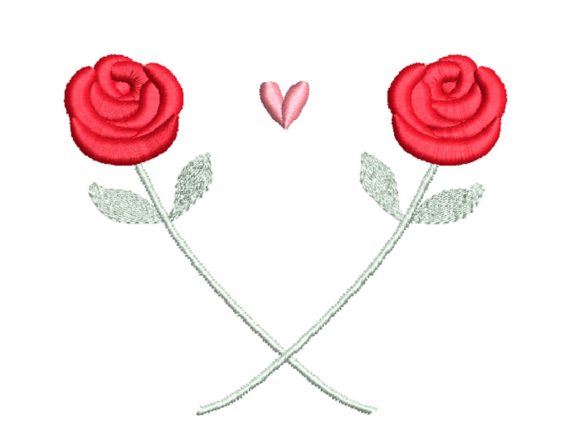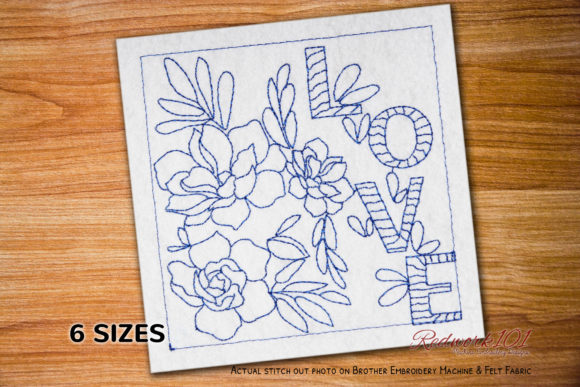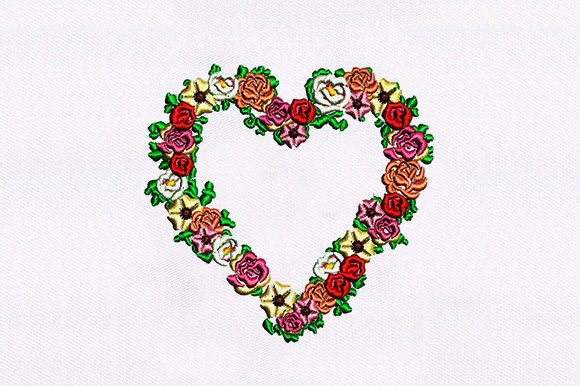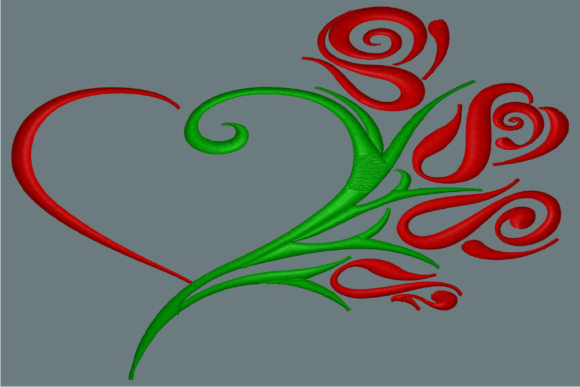
Heart and Flowers Embroidery Design
First Impression: Soft, Festive, and Timelessly Handmade
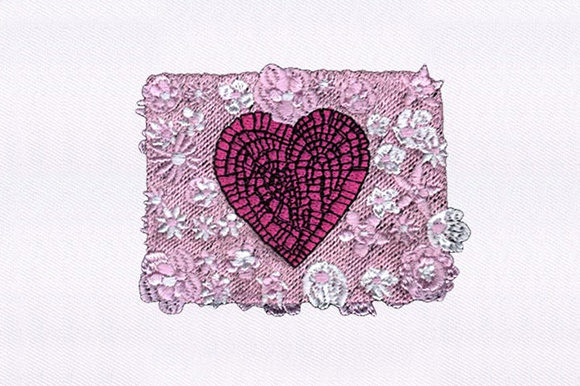
As an embroidery designer who’s prepped over 200 craft fair booths—from snowy winter markets to sun-drenched spring fairs—I opened Heart and Flowers expecting something sweet but safe. What I found was more intentional than that: a design that reads *soft* at arm’s length, *festive* up close, and quietly *premium* when stitched cleanly on natural fibers. It doesn’t shout “Valentine S Day”—it leans into warmth, not cliché. No cupids, no glitter fonts, no forced romance. Just balanced curves, organic petal flow, and a heart that feels hand-drawn, not algorithm-generated. That subtlety is gold for handmade product sellers who want emotional resonance without seasonal expiration.
Where Heart and Flowers Shines on Craft Fair Products
This machine embroidery design performs strongest where texture and tactility matter most. On heavyweight cotton tote bags? Excellent—its medium-scale proportions (neither too dainty nor overwhelming) anchor the front panel without competing with bag structure. As apron embroidery? Ideal for chest placement: large enough to read from three feet away, small enough to avoid stitching across seams or pockets. For tea towel embroidery? A standout—especially on unbleached linen or oatmeal terry, where the stitch definition enhances the handmade quality rather than fighting it.
It also transitions beautifully to smaller items: embroidered patches hold crisp detail without fraying edges; fabric pouches get instant charm with one centered Heart and Flowers motif; pillow covers gain quiet elegance when placed just below the top seam. Even on curved surfaces like caps, the design’s gentle arc and open negative space help it adapt—though I’d recommend testing on scrap first (more on that below). And yes—it photographs exceptionally well for Etsy listings and printable mockups. Clean lines, balanced fill areas, and clear silhouette mean your digital embroidery file translates reliably to screen—and then to real-world booth samples.
What Makes This Design a Smart Batch Production Choice
Heart and Flowers is repeatable, scalable, and intuitive. There’s no tiny lettering to misread, no micro-details that vanish at 3” width, and no dense stitch clusters that cause thread breaks or puckering on midweight fabrics. As a small shop product, it’s efficient: you can run 12–15 identical tote bag designs in one hooping session with minimal repositioning. Its visual clarity means customers understand it instantly—even while walking past your booth. No squinting, no asking “what is that?” Just recognition, warmth, and a mental note: *I’d give that as a gift.*
That emotional shorthand matters. At craft fairs, attention spans are short and decision windows narrow. Heart and Flowers delivers consistent brand consistency across your line—whether you’re selling embroidered market bags alongside matching tea towels or bundling pillow covers with coordinating patches. It strengthens booth display strength by offering cohesion without monotony.
Careful-Use Notes Every Embroidery Designer Should Know
- Dense stitch areas: While overall stitch density is moderate, the center of the heart and inner flower calyx may run denser—confirm spacing and stabilizer choice, especially on textured towels or loosely woven linen.
- Fabric texture matters: Avoid using Heart and Flowers on heavily napped fleece or thick terry without additional cutaway stabilizer. The design relies on clean edge definition—rough surfaces blur its softness.
- Dark fabric contrast: Thread colors aren’t specified in the description, so test contrast thoroughly. Light pastels or cream thread may disappear on charcoal or navy—opt for ecru, heather gray, or rose quartz for visibility without harshness.
- Small sizes lose nuance: Below 2.5”, petal separation and heart contour soften significantly. Use only as a focal point—not a border or background motif—at reduced scale.
- Curved surfaces need hooping care: For cap embroidery, verify hoop size compatibility and consider digitized alternate versions if available. Not all file formats handle curve compensation equally.
Real-World Designer Prep Checklist
- Test the embroidery file on scrap fabric matching your final product—same weight, weave, and dye lot.
- Check thread contrast across at least three fabric colors: light, medium, and dark.
- Review spacing between elements—especially where petals meet the heart—to prevent unintended merging during stitching.
- Confirm hoop size requirements before cutting production fabric; mismatched hoops waste time and material.
- Inspect stitch density in floral centers and heart outline—adjust stabilizer type (cutaway vs. tear-away) based on fabric stability.
- Create at least one real mockup—not just a digital preview—before committing to batch runs.
- Compare how Heart and Flowers looks on different base fabrics: canvas, linen blend, quilting cotton, and brushed twill each change its personality slightly.
- Verify commercial licensing terms—this is a digital embroidery file intended for finished product resale, but always confirm scope before launching as a small shop product or Etsy seller.
Final Thought: A Design That Sells Because It Feels Human
In a sea of mass-produced Valentine S Day decor, Heart and Flowers stands out by honoring craftsmanship over trend-chasing. It doesn’t try to be everything—it’s soft, it’s festive, it’s quietly confident. As a machine embroidery design, it supports your handmade product goals without demanding perfection. It invites connection, not comparison. Whether stitched on a tea towel handed to a neighbor or framed inside a boutique pouch sold at a weekend fair, it carries warmth that scans fast, photographs true, and sells repeatedly—not because it’s loud, but because it feels like care made visible. For Etsy sellers, craft fair vendors, and creative entrepreneurs building a recognizable line: this is the kind of embroidery file that earns repeat customers, not just one-time buyers.