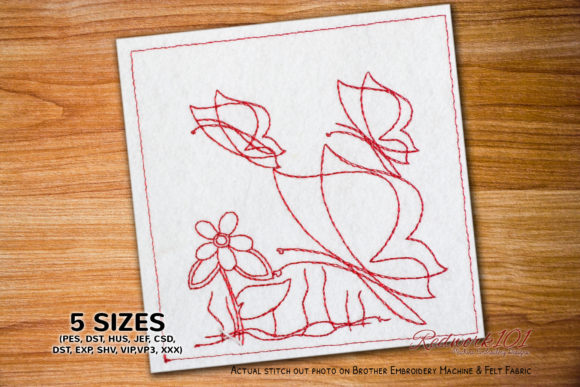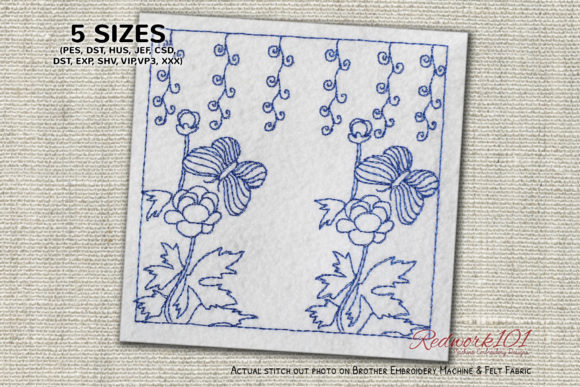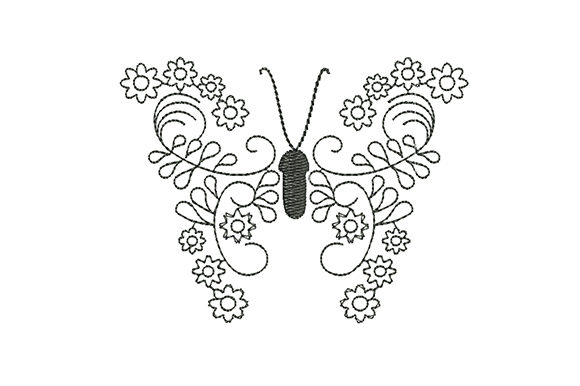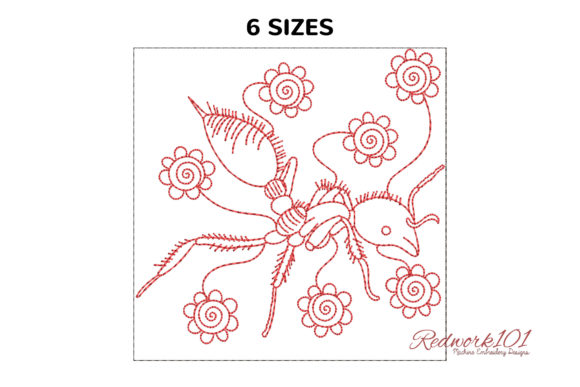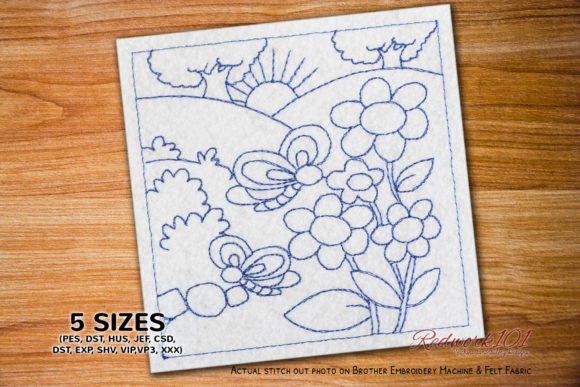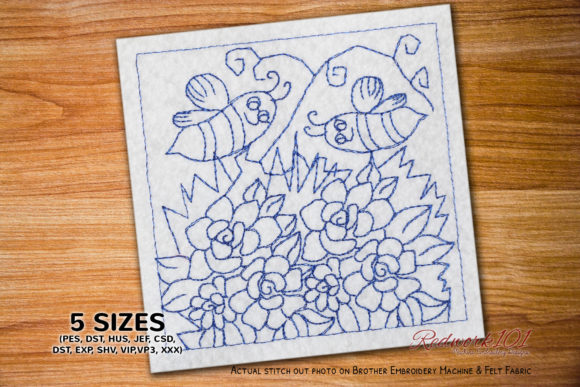
Bee Flying on the Flower
First Impression: Sweet, Seasonal, and Instantly Recognizable
As an embroidery designer who’s prepped over 200 craft fair booths, I’ll tell you straight: Bee Flying on the Flower lands with cheerful clarity. It’s not bold or edgy—it’s cutesy, gently farmhouse-meets-modern, and undeniably spring-summer ready. The title alone evokes motion, life, and lightness—exactly what shoppers reach for when browsing handmade markets in warmer months. Customers don’t pause to decode it; they smile, point, and say, “Oh, that’s so me.” That emotional hook is gold at a crowded fair.
Where Bee Flying on the Flower Shines on Real Products
This design thrives where charm and legibility intersect. Here’s how it performs across your most common craft fair staples:
- Tote bag design: Perfect as a centered 4–5" motif on the front panel—visible from six feet away, yet delicate enough to feel intentional, not overwhelming.
- Apron embroidery: Ideal above the pocket or centered on the bib. The bee’s flight path reads naturally upward, echoing apron drape and movement.
- Tea towel embroidery: Works beautifully in the lower corner or centered near the hem. Its soft floral base grounds the bee without competing with kitchen texture.
- Embroidered patch: A standout! The optional Box Stitch frame adds polish—great for iron-on or sew-on versions sold individually or bundled with pins and stickers.
- Fabric pouch & pillow cover: Scales well up to 6". On linen or cotton canvas, the bee’s wings and flower details retain definition without looking fussy.
- Caps & curved surfaces: Use caution here. The bee’s fine wing lines and small flower centers may blur on low-profile caps unless digitized with generous underlay and reduced density.
What Makes This Design a Smart Craft Fair Investment
Bee Flying on the Flower is built for repeatable production and high visual return. At a glance, it communicates joy, nature, and handcrafted care—no explanation needed. It photographs exceptionally well for Etsy listings and printable mockups, especially against natural-light backgrounds (think raw wood, linen, or pale terracotta). Because it avoids tiny lettering, dense fill areas, or micro-stems, it stitches cleanly across fabric textures—from smooth quilting cotton to lightly brushed canvas.
For small shop product consistency, this design supports brand cohesion: pair it with coordinating thread palettes (mustard yellow, sage green, sky blue) across your tote bags, patches, and tea towels. That subtle repetition builds recognition across your booth display—shoppers start seeing your “bee family” before they even read your shop name.
Careful-Use Notes Every Embroidery Designer Should Check
Even sweet designs have limits. Before cutting into your best linen or loading 30 hoops, test these variables:
- Dense stitch areas: If the flower center uses heavy satin or fill, reduce density slightly on textured towels or thick denim—otherwise, it’ll pucker or feel stiff.
- Tiny details: Those bee wing veins? Lovely at 5", but may vanish below 2.5". Avoid using Bee Flying on the Flower as a sub-2" accent on keychains or zipper pulls.
- Dark fabric: The cutesy vibe relies on contrast. On charcoal or navy, verify thread colors pop—especially the bee’s yellow body and black stripes. Test with matte poly or rayon for softer depth.
- Curved cap surfaces: Skip tight-fit baseball caps unless you’ve confirmed the hoop size fits comfortably *and* the design’s top-to-bottom height stays within the flat stitching zone.
- Box Stitch frame: Remember—it’s optional. For rustic aprons or market bags, skip it. For premium pillow covers or boutique gift sets, include it to elevate perceived value.
Real-World Designer Prep Checklist
I never send Bee Flying on the Flower to production without these steps:
- Test stitch on scrap fabric matching your final product—same weight, same finish.
- Check thread contrast on both light and mid-tone fabrics—not just white.
- Review spacing between bee and flowers: too tight feels cramped; too loose loses cohesion.
- Confirm hoop size compatibility with your machine *and* your most-used product blanks (e.g., 4×4 for patches, 5×7 for tote bags).
- Inspect stitch density in the flower petals—over-stitching causes stiffness on tea towels and pouches.
- Use cutaway stabilizer for knits or stretchy fabrics; tear-away works fine for stable cottons and linens.
- Create at least one real mockup—photograph it in natural light, next to similar products, and compare side-by-side with your top-selling design.
- Compare fabric colors: a warm ivory vs. bright white changes how yellow threads read. Adjust thread choices accordingly.
- Verify commercial licensing status before selling finished products—this is a machine embroidery design, not a free clipart download. Your digital embroidery file must permit resale of physical goods.
Final Thought: A Reliable Spring Seller With Personality
Bee Flying on the Flower isn’t flashy—but it’s dependable. In the Bugs category, it stands apart from cartoonish or hyper-realistic options by landing squarely in the “handmade-gift-sweet-spot.” It elevates simple items (a plain canvas tote, a basic tea towel) into something giftable, Instagrammable, and emotionally resonant. For Etsy sellers and boutique makers, it’s a low-risk, high-reward digital embroidery file that converts well online *and* moves fast at live events. Just remember: its strength lies in clarity, consistency, and careful execution—not complexity. Let the bee do the talking. Let the flowers hold the space. And let your craftsmanship make it unforgettable.