Hibiscus: A Vintage-Inspired Embroidery Gem for Personalized Gifts
First Impressions: Romantic, Detailed, and Deeply Handmade
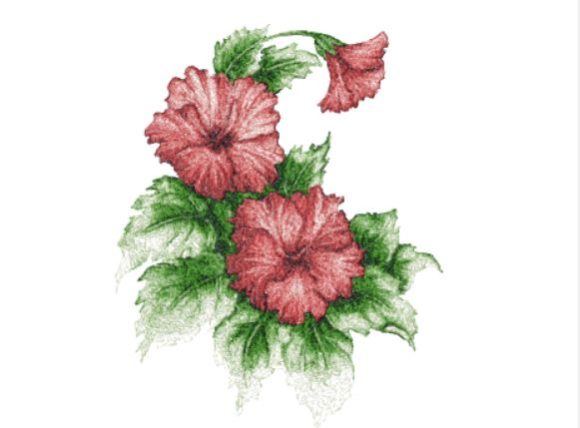
Unzipping the Hibiscus embroidery file feels like opening a well-loved botanical sketchbook — soft, intentional, and quietly confident. As a machine embroidery designer who’s tested hundreds of single-flower designs, I can say right away: this isn’t just another floral motif. It’s a photo stitch design rooted in vintage art, which means it carries the warmth of hand-drawn linework and the subtle texture of aged print. The mood is romantic but grounded — elegant without being stiff, delicate without feeling fragile. It reads as timeless rather than trendy, making it ideal for heirloom-style personalized gifts.
Why Hibiscus Fits So Many Meaningful Moments
What makes Hibiscus special isn’t just its beauty — it’s its versatility across life’s tender milestones. For baby embroidery, it adds quiet sophistication to a linen blanket or organic cotton onesie (though more on fabric cautions below). On a kitchen towel or apron, it whispers “thoughtfully made,” not “mass-produced.” As a wedding gift, it shines on a monogrammed pillow cover or guestbook sleeve — especially for tropical, garden, or vintage-themed celebrations. And for Etsy sellers and small shop owners? Hibiscus elevates your listings instantly: it photographs beautifully, communicates quality at a glance, and invites emotional connection before the buyer even reads your description.
It works equally well for nursery decor (think framed hoop art or crib bumper accents), custom tote bags for new moms, or even embroidered keepsake boxes for wedding favors. Because it belongs to the Single Flowers category and falls under Embroidery, it pairs seamlessly with minimalist layouts — no competing elements needed. Just one bloom, perfectly placed, tells a full story.
Where to Use Hibiscus — and Where to Pause
Hibiscus thrives on stable, smooth surfaces: cotton-linen blends, medium-weight quilting cotton, twill, and tightly woven tea towels. It’s a natural fit for embroidered towel borders, pillow cover centers, and blanket corners where detail can breathe. But — and this is key — because it’s a photo stitch design based on vintage art, it leans into richness and scale. Like most high-detail photo stitches, it tends to be much larger by nature. When scaled down too far, it loses definition. So avoid shrinking it below 3.5 inches wide unless you’ve tested it thoroughly.
Use caution with:
- Stretchy fabrics (like baby knits or jersey) — stabilizer choice becomes critical, and dense areas may pucker;
- Textured or looped surfaces (terry cloth, heavy waffle weave) — fine petal edges may blur or sink between loops;
- Curved or uneven items (mugs, curved tote straps, rounded pillow inserts) — placement must account for distortion;
- Dark fabric without contrast testing — vintage-inspired thread palettes often rely on subtle tonal shifts that vanish on black or navy unless verified;
- Products requiring frequent washing (baby bibs, kitchen cloths) — confirm stitch density supports durability, and always use quality stabilizer.
How Hibiscus Builds Trust — and Sales
In handmade product markets, perceived value hinges on three things: clarity of detail, consistency of execution, and emotional resonance. Hibiscus delivers all three — when stitched correctly. Its vintage charm signals care and intentionality. Customers browsing your Etsy shop or local craft fair booth don’t just see a flower; they imagine gifting it to someone cherished. That emotional hook translates directly to higher conversion rates, better reviews (“so much more beautiful in person!”), and repeat buyers who trust your eye for quality.
For digital embroidery file sellers, offering Hibiscus with printable mockups (e.g., “Hibiscus on Linen Towel” or “Hibiscus + Monogram Blanket Preview”) strengthens buyer confidence before purchase. For custom embroidery shops, using Hibiscus in your portfolio shows clients you handle nuanced, expressive work — not just fonts and clipart.
Practical Embroidery Notes You Can’t Skip
Before stitching Hibiscus for a customer order — or uploading it to your shop — run these checks:
- Test on scrap fabric first, using your exact thread colors and stabilizer combo;
- Confirm hoop size compatibility — photo stitch designs often require larger hoops, so verify your machine’s limits;
- Review stitch density — dense fills are gorgeous but may overwhelm lightweight fabrics or increase wear over time;
- Use appropriate stabilizer: cutaway for stretchy items, tear-away for stable cottons, and fusible + tear-away for towels;
- Compare light and dark fabric mockups — subtle shading in the vintage art may shift dramatically;
- Check small details after stitching — stamens, leaf veins, and petal gradients should remain legible;
- Verify commercial licensing before selling finished products — since this is a digital embroidery file, confirm whether your license permits resale of physical embroidered goods.
Final Thought: More Than a Flower — A Story Starter
Hibiscus doesn’t just decorate a product — it invites storytelling. A new parent sees resilience and tropical calm. A couple planning their wedding sees enduring beauty. A grandparent stitching a blanket remembers gardens from childhood. That’s the power of a well-chosen, thoughtfully executed single-flower embroidery design.
If you’re an Etsy seller curating meaningful handmade products, a wedding gift designer seeking standout details, or a small shop owner building a cohesive, emotionally intelligent brand — Hibiscus earns its place in your collection. Just remember: honor its vintage soul with careful testing, smart fabric pairings, and intentional presentation. Done right, it won’t just embroider fabric — it’ll stitch memory into every personalized gift.