Paper Flowers Design: A Thoughtful Embroidery Choice for Meaningful Gifts
As an embroidery designer who’s tested hundreds of machine embroidery designs for small shops, Etsy sellers, and custom gift studios, I approached Paper Flowers Design with quiet curiosity—not hype. This isn’t a flashy, trend-chasing motif. It’s the kind of embroidery file that whispers before it charms. When stitched on a soft cotton baby blanket or a linen kitchen towel, it lands with gentle intention: romantic but not fussy, delicate but not fragile, handmade in spirit without sacrificing stitch integrity.
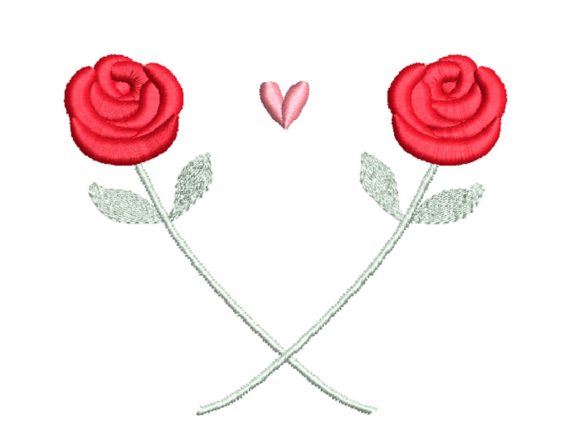
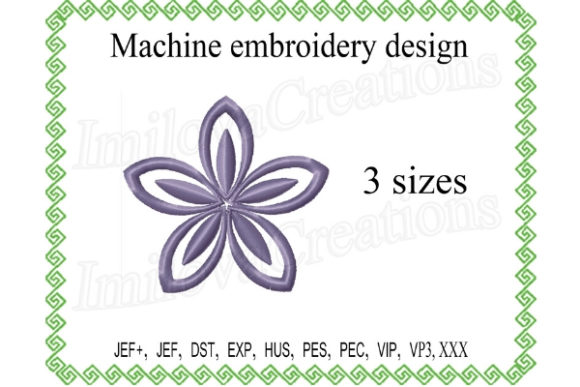
The first impression? Sweet, timeless, quietly elegant. There’s a hand-cut-paper quality to the layered petals—soft curves, subtle overlaps, and a rhythm that feels organic, not algorithmic. It doesn’t scream “seasonal” (no obvious spring tulips or autumn maple), yet it breathes with warmth year-round. That versatility is gold for wedding gift designers stocking keepsakes, baby product creators building nursery collections, and Etsy sellers curating evergreen listings. Customers drawn to Paper Flowers Design tend to value meaning over mass production—they’re gifting memory, not just merchandise.
This design shines brightest when paired with intentionality. On a blanket embroidery for a newborn, it becomes a tender heirloom anchor—centered on a cream muslin swaddle or stitched subtly near the corner of a quilted receiving blanket. As a wedding gift, it elevates a monogrammed pillow cover or linen napkin set with understated romance—no lace overlay needed. For a custom tote bag or apron, it adds artisanal charm without overwhelming function. And on an embroidered towel? Yes—it holds up beautifully when placed thoughtfully on the lower corner or hem, where the fabric’s natural drape supports the design’s flow.
But let’s talk real-world nuance. Paper Flowers Design is not a one-size-fits-all workhorse. Its grace lives in its details—and those details demand thoughtful placement. Avoid using it for tiny lettering or micro-monograms; this is not a script font. Skip stretchy baby onesies unless you’re stabilizing aggressively and testing thoroughly—fabric distortion can blur petal edges. Thick terry cloth towels? Possible—but only with cutaway stabilizer and reduced stitch density (more on that below). Curved surfaces like mugs or rounded pillow forms require careful hooping practice—or better yet, stick to flat, stable substrates like cotton twill, linen, or medium-weight quilting cotton.
Dark fabric? Absolutely viable—but only if you’ve verified thread color contrast in your mockup. Light pastel threads on charcoal linen can vanish; deeper rose or sage greens sing instead. Always run a printable mockup side-by-side on light and dark grounds before committing to production. And that optional box stitch mentioned in the description? It’s a smart visual frame—but remember: if the outer box color clashes with your fabric or brand palette, skip it. The design stands strongly on its own.
What makes Paper Flowers Design especially valuable for small shop owners and digital product sellers is its emotional resonance. In product photography, it reads as handmade—not digitized. That perception lifts perceived value instantly. Buyers scrolling Etsy or browsing a local craft fair don’t just see stitches; they see care, nostalgia, and personal significance. That translates directly to trust: when customers believe your personalized gift was chosen *for them*, not mass-produced *at them*, conversion deepens. Engagement rises—not just clicks, but saves, shares, and repeat orders.
Before stitching your first customer-ready piece, here’s what I always do—and recommend you do too:
- Test on scrap fabric that matches your final substrate—same weight, weave, and pre-wash status.
- Check thread color contrast under natural and store lighting; monitor how colors shift on camera versus in person.
- Confirm hoop size compatibility—some versions include multiple sizes; choose based on your intended product (e.g., 4x4" for towel corners, 5x7" for center-blanket placements).
- Review stitch density—if dense, reduce fill stitches slightly for breathable fabrics like baby blankets; add a second layer of tear-away stabilizer for high-density zones.
- Use proper stabilizer: cutaway for knits and towels, tear-away for stable wovens, and lightweight fusible for delicate linens.
- Compare light and dark fabric mockups—not just for contrast, but for how shadows fall across petal layers.
- Inspect small details after stitching: check for skipped stitches in tight petal curls and clean up stray thread ends for a polished finish.
- Confirm commercial licensing before selling finished products—this is non-negotiable for Etsy sellers and small business owners.
For baby embroidery, keep placements away from seams and binding edges where wear concentrates. For pillow covers, center the design on the front panel—not near zippers or envelope closures. On aprons, position it just above the pocket or along the waistband curve where movement won’t distort the motif. And for craft fair displays? Stitch Paper Flowers Design onto three different fabric types (cotton, linen, terry) and photograph them together—showing range builds buyer confidence faster than any description.
In short: Paper Flowers Design isn’t just another digital embroidery file. It’s a storytelling tool. It invites customization—not just with names or dates, but with thoughtful material choices, intentional placement, and quiet confidence in handmade quality. Whether you're a solo crafter launching your first Etsy shop, a wedding gift studio refining your signature style, or a baby product creator building a cohesive nursery line, this design earns its place in your library—not because it’s trendy, but because it’s trusted.
Treat it with care, test with honesty, and let its gentle elegance speak for itself. Your customers—and your reputation as a maker of meaningful personalized gift products—will thank you.