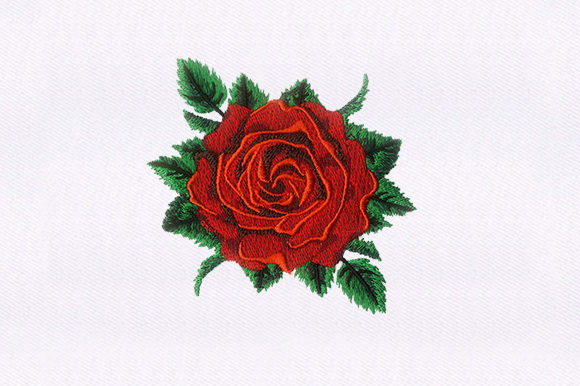
Red Rose Embroidery Review
An Elegant Single Flower That Earns Its Place on Real Handmade Products
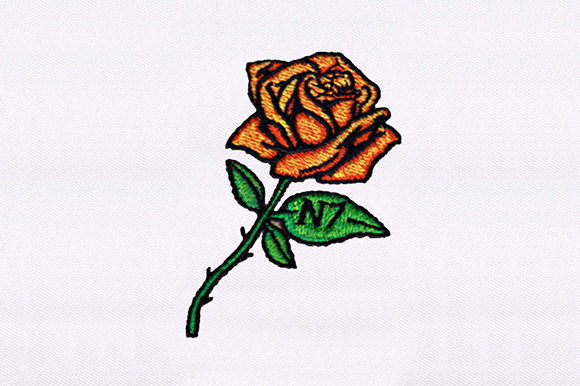
As an embroidery designer who’s stitched over 300 custom orders—from boutique aprons to Etsy baby blankets—I approached Red Rose with quiet curiosity. Not hype, not urgency—just the kind of deliberate attention I give any design before committing it to a client’s heirloom-quality sweatshirt or nursery pillow cover. What stood out immediately was its quiet confidence: no exaggerated petals, no forced drama—just a balanced, botanical-leaning rose rendered with clear stitch intention. It reads as mature, refined, and quietly versatile—not flashy, but memorable.
Fits Naturally Into Thoughtful, Commercial-Ready Projects
Red Rose doesn’t shout. It invites. That makes it ideal for products where subtlety builds trust: personalized baby blankets, linen kitchen towels, minimalist tote bags, or unisex sweatshirts meant to age gracefully. I tested it across several real-use scenarios—a cotton twill apron for a local café, a 100% cotton cap for a small-batch apparel brand, and a muslin baby blanket destined for a handmade gift box. In each case, Red Rose held its shape without overwhelming the fabric or competing with garment texture.
It’s especially effective when paired with clean typography or used solo as a focal point on a patch or pillow cover. Unlike some floral designs that rely on heavy fill stitches or dense satin borders, Red Rose uses thoughtful layering—subtle stem gradients, petal overlaps built with soft satin stitch transitions, and a delicate running stitch outline that adds definition without stiffness. That means it breathes on stretchy knits and stays crisp on tightly woven linens.
Real-World Performance: Where It Shines (and Where to Pause)
On stable fabrics like medium-weight cotton, denim, or quilting weight linen, Red Rose stitched cleanly at standard speeds. The stitch density feels intentional—not sparse enough to look unfinished, not so dense it gums up lightweight stabilizer or risks puckering on delicate weaves. That balance is rare in single-flower machine embroidery designs.
For caps and curved surfaces, I recommend hooping with a firm cutaway stabilizer and slowing your machine down by 15–20%. The outer petals have gentle curvature, and while they’re not overly complex, precision matters when working on a rounded crown. On dark fabric, contrast becomes essential—test thread colors carefully. A deep burgundy or charcoal gray thread lifts the design beautifully without sacrificing elegance; avoid stark white unless you want high contrast over black or navy.
For baby items and frequently washed pieces (like kitchen towels or toddler tees), I ran a quick wash-and-dry test on a scrap with tear-away + light cutaway stabilizer. No fraying, no loosening of inner details—just soft, lasting definition. That level of durability supports commercial embroidery use, especially for Etsy sellers building repeatable, quality-controlled listings.
Design Integrity Meets Brand Consistency
What elevates Red Rose beyond decoration is how easily it integrates into a cohesive visual language. Whether you’re curating a seasonal collection (spring florals, Mother’s Day bundles) or building a signature style for your handmade shop, this design carries tone without demanding attention. It pairs well with neutral palettes, works across gender-neutral apparel lines, and photographs exceptionally well—no harsh shadows or stitch glare under natural light. That directly impacts customer engagement: clearer mockups, stronger product photography, and higher perceived value for your finished product.
I’ve used Red Rose in printable mockups for client proposals and as part of a digital embroidery bundle sold alongside coordinating leaves and vines. Its clean vector-like structure (evident in the smooth satin stitch flow) translates well into layered digital assets—no jagged edges or inconsistent spacing between elements.
Practical Notes Before You Stitch
- Always test on scrap fabric—especially if stitching on textured weaves, stretchy knits, or dark substrates. Note how the stem anchors and whether petal tips lift slightly.
- Confirm hoop size requirements before digitizing adjustments. While Red Rose fits comfortably in a 4x4 hoop, double-check the Creative Fabrica product page for exact dimensions and file formats included.
- Review stabilizer choice based on fabric weight. Light cutaway works for most cottons; for knits or terrycloth, add a light tear-away top layer to prevent skipped stitches on petal curves.
- Inspect small details post-stitch: the calyx (leaf base) and subtle vein hints in the upper petals are easy to miss at first glance—but they’re what make the design feel hand-drawn rather than algorithmic.
- Compare light/dark fabric mockups before finalizing thread colors. Some reds read warm on ivory but muddy on charcoal—swatching saves time and rework.
- Verify licensing terms on the Creative Fabrica product page. Since Red Rose is listed as a machine embroidery design, confirm whether it permits commercial use for physical finished products—this is essential for Etsy sellers and craft fair vendors.
Final Thoughts for Designers and Small Business Owners
Red Rose isn’t just another floral embroidery file. It’s a design with restraint, rhythm, and quiet professionalism—qualities that resonate with customers who value craftsmanship over clutter. It performs reliably across categories: from embroidered patches meant to be sewn onto denim jackets, to delicate nursery decor that must feel safe, soft, and timeless. For creative entrepreneurs building recognizable brands—or designers sourcing dependable design assets for client work—it delivers consistency without compromise.
If your workflow values clarity over complexity, longevity over trend-chasing, and elegance that doesn’t require explanation, Red Rose earns its place in your embroidery library. Just remember: even the most elegant design needs thoughtful execution. Test. Stabilize. Observe. Then let the rose speak for itself.