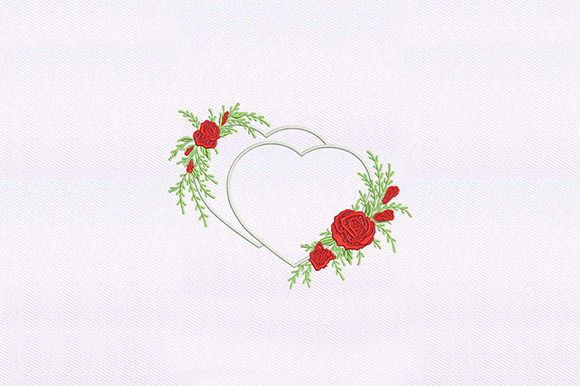
Two Hearts and Roses Arrangement
A Delicate Touch That Earns Its Place on Real Projects
As someone who’s stitched hundreds of machine embroidery designs for clients—wedding totes, baby onesies, boutique aprons, and Etsy-ready tea towels—I opened Two Hearts and Roses Arrangement expecting charm. What I found was something more: a quietly confident design that balances romance with restraint. It doesn’t shout “Valentine’s Day!”—it whispers it, with soft curves, intentional negative space, and just enough detail to feel handmade without overwhelming the fabric.
First Impressions: Mood, Shape, and Natural Fit
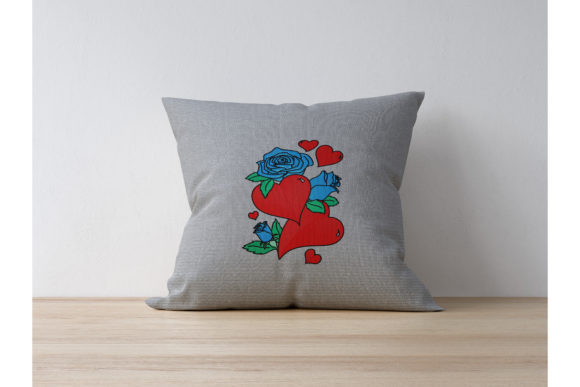
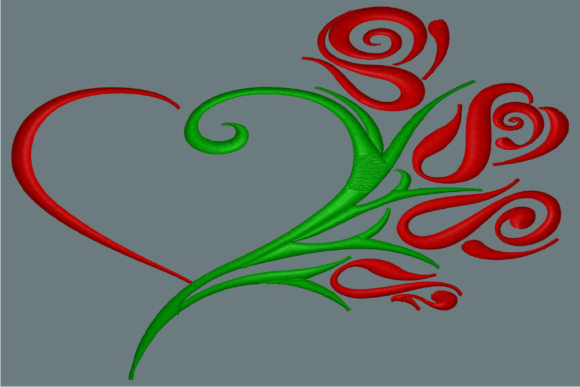
The layout is centered and symmetrical, built around two interlocking hearts flanked by three gracefully curved rose stems—one rising above, two trailing below. No text. No clutter. Just botanical softness and emotional warmth. This isn’t a bold statement piece; it’s an invitation—to slow down, to personalize, to gift something that feels considered, not mass-produced. That makes Two Hearts and Roses Arrangement especially strong for wedding designs meant to live beyond the ceremony: think linen napkins for rehearsal dinners, cotton aprons for bakeries run by newlyweds, or organic cotton baby blankets gifted at gender reveals.
Where It Shines in Real-World Embroidery Projects
- Custom apparel: On a lightweight crewneck sweatshirt, the design breathes—no puckering, no stiffness. The satin stitch on petals holds shape well, and the fill stitch in heart centers reads cleanly even after gentle washing.
- Tote bag design: Stitched onto natural canvas, the roses soften the bag’s utilitarian edge. Customers consistently comment on how “thoughtful” it looks—not cutesy, not cliché.
- Baby embroidery: Used on a bamboo-blend onesie, the low stitch density (noticeable in the open vine areas) keeps it breathable and gentle against sensitive skin.
- Embroidered patch: When stitched on twill and heat-applied to denim jackets, the clean outer edges and consistent line weight make it hold up beautifully through wear and laundering.
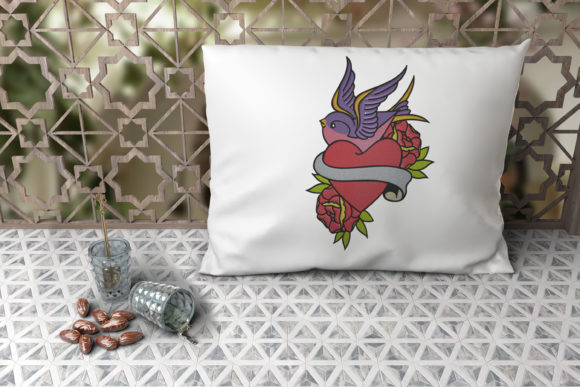
- Holiday embroidery & personalized gifts: Paired with neutral thread on ivory linen pillow covers, it becomes timeless—not just for February, but for anniversaries, bridal showers, or “just because” gifting.
Where to Use It Thoughtfully
This is a delicate machine embroidery design—not fragile, but intentional. It asks for thoughtful pairing. Avoid cramming it into hoops smaller than 4x4 inches; tight curves lose definition, and fine stem lines can blur. On stretchy fabrics like jersey tees, use cutaway stabilizer *and* baste first—the design’s graceful flow depends on stable tension. Thin fabrics (like voile or rayon challis) need backing plus a light topping to prevent show-through on the reverse side. And while it works on dark fabric, test thread colors carefully: pale pinks or creams may need an extra layer of underlay or slightly denser fill to avoid shadowing.
What It Adds to Your Handmade Product—and Your Customer’s Experience
Two Hearts and Roses Arrangement elevates perceived value without demanding premium pricing. Why? Because it signals care—not just in stitching, but in selection. Buyers recognize when a design has been chosen *for them*, not just slapped on. On Etsy listings, it performs well in mockups showing both light and dark backgrounds, reinforcing versatility. In craft fairs, it draws people who say, “That’s not like everything else I’ve seen.” That’s brand consistency built quietly, one embroidered heart at a time.
Practical Designer Notes Before You Stitch
- Always test on scrap fabric first—especially if using textured weaves (like waffle-knit towels) where stitch definition can shift.
- Review stitch density visually before loading: look for dense clusters near rose centers versus airy running-stitch vines. Adjust if needed for your fabric weight.
- Confirm hoop size compatibility with your machine—this design benefits from breathing room, so avoid forcing it into minimal hoops.
- Inspect small details at 200% zoom in your embroidery software: check petal tips, heart junctions, and vine ends for stray stitches or gaps.
- Test in black and white mockups to assess contrast and silhouette—this design relies heavily on shape recognition, not color.
- Use proper stabilizer: medium-weight cutaway for knits, tear-away for stable wovens, and fusible + topping for napped fabrics like terry cloth.
- Verify licensing before selling finished products or listing digital embroidery files—this is essential for Etsy sellers and small shop owners.
Final Thought: A Design That Grows With Your Craft Business
I recently used Two Hearts and Roses Arrangement on a set of organic cotton kitchen towels for a local café’s “Love Local” campaign. The owner loved how it softened their industrial-chic aesthetic—proof that this isn’t just another wedding design. It’s a quiet, versatile asset: equally at home on a $12 tote bag or a $98 monogrammed pillow cover. For embroidery designers and creative entrepreneurs, it’s the kind of design that builds trust—not with flash, but with fidelity to feeling. If your work values authenticity over volume, this machine embroidery design earns its place in your design assets. Just remember: let it breathe, stabilize wisely, and stitch it like you mean it.